Understanding How Scams Work
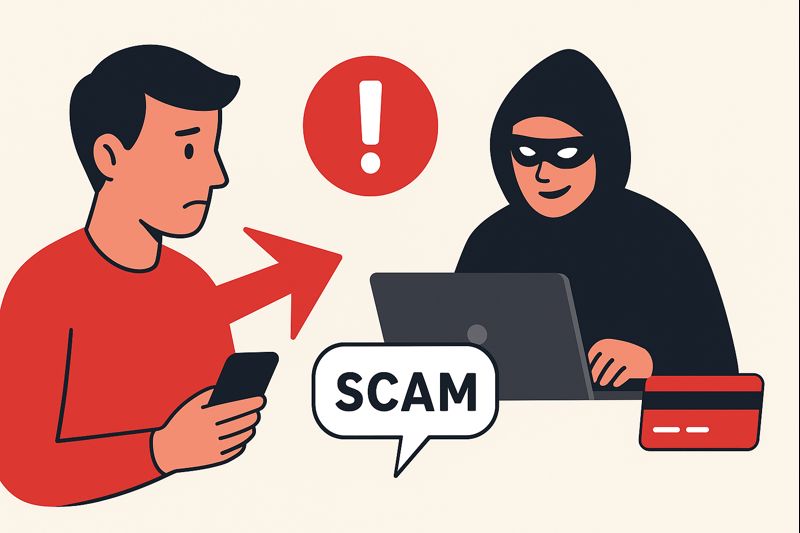
Scammers employ clever techniques to deceive people into giving away money, personal information, or sensitive data. Recognizing scams is the first step in protecting yourself and your family.
Common Types of Scams
- Cryptocurrency Scams: Fake coins, exchanges, or investment schemes promising high returns.
- Forex Trading Scams: Fraudulent brokers or automated trading platforms.
- Ponzi Schemes: Early investors are paid with money from newer investors.
- Pyramid Schemes: Recruiting others to earn money, often disguised as legitimate businesses.
- Investment Fraud: False promises of guaranteed returns on nonexistent opportunities.
- Real Estate Scams: Fake property listings, rentals, or title fraud.
- Credit Card Fraud: Unauthorized use of stolen card information.
- Romance Scams: Scammers exploit online relationships to extract money.
- Work-from-Home Scams: Job offers requiring upfront fees or personal info.
- Charity Scams: Fake charities soliciting donations.
- Online Shopping Scams: Nonexistent or counterfeit products online.
- Phishing & Identity Theft: Emails or websites stealing login credentials or personal data.
How Scammers Trick You
- Promises of guaranteed returns or prizes.
- Urgency messages pressuring immediate action.
- Fake websites, social media, and profiles.
- Impersonating authorities or known brands.
- Manipulating trust to extract money or info.
How to Protect Yourself
- Verify sources before sending money or personal information.
- Use strong passwords and enable two-factor authentication.
- Be wary of “too good to be true” offers.
- Check official sites: FBI Scams & Safety
- Report suspicious activity to authorities or victim support organizations.
- Educate yourself and family about scam trends.
Where to Get Help
Remember:
Awareness is the first step to protection. By staying informed, verifying sources, and reporting scams, you can protect yourself and others from financial and emotional harm.